Fall and winter bring one of the most dramatic natural spectacles of the year to California’s Sacramento Valley. Ducks, geese, and other migratory birds arrive by the thousands, transforming wetlands and agricultural landscapes throughout Colusa County into important seasonal habitat.
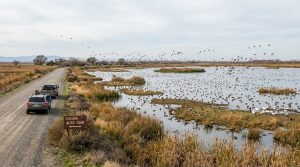
The Colusa County waterfowl season is especially noticeable around Colusa National Wildlife Refuge, where visitors can watch enormous flocks from an observation area, walking trail, and scenic auto tour. For hunters, the 2026–27 California waterfowl season also brings designated public hunting opportunities that require careful planning and attention to current regulations.
Whether you want to photograph snow geese, explore the refuge from your vehicle, or prepare for a public-land hunt, fall and winter are excellent times to discover another side of Colusa County.
 When Is the 2026–27 Waterfowl Season?
California’s statewide waterfowl season began on October 24, 2026, in most zones. Colusa County falls within the Balance of State Zone, where the general duck season runs from October 24, 2026, through January 31, 2027.
Season dates and limits vary according to species. For example, the scaup season begins later, while goose regulations include additional rules for the Sacramento Valley Special Management Area. Hunters should always check the latest California Department of Fish and Wildlife waterfowl regulations before a trip rather than relying on an older summary.
Why the Opening of the Season Matters
The hunting season coincides with a major period of migration through the Pacific Flyway. As colder weather develops farther north, more birds move into the Sacramento Valley’s wetlands and agricultural lands.
The California Department of Fish and Wildlife reported favorable wetland conditions going into the 2026–27 season and noted that locally produced birds can make up an important part of the early-season population before additional wintering birds arrive from the north.
Travelers who are not hunting can benefit from the same seasonal movement because increasingly large flocks create outstanding wildlife-viewing and photography opportunities.
Visit Colusa National Wildlife Refuge
Colusa National Wildlife Refuge is one of the best-known wildlife destinations in the county. Located only a short distance from the city of Colusa, the refuge protects wetlands, grasslands, riparian areas, and other habitats used by migratory and resident wildlife.
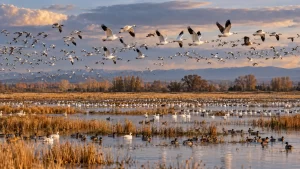
The U.S. Fish and Wildlife Service reports that thousands of waterfowl occur here from September through March. At peak periods, the refuge can support more than 150,000 ducks and 60,000 geese.
White-fronted geese arrive during fall, followed by snow geese and Ross’s geese. Ducks can include northern pintail, green-winged teal, American wigeon, northern shovelers, gadwalls, mallards, and other species.
If wildlife is your main reason for visiting the county, you can also use our Colusa County birdwatching guide to discover additional places to look for birds.
Drive the Colusa NWR Auto Tour
One of the easiest ways to experience the refuge is its approximately three-mile auto-tour route. The road passes wetlands, grasslands, and riparian habitat, allowing visitors to observe wildlife without leaving their vehicles.
The U.S. Fish and Wildlife Service auto-tour guide states that the Colusa route is open year-round, seven days a week, from one hour before sunrise until one hour after sunset.
Follow Auto-Tour Rules Carefully
Visitors are required to remain inside their vehicles along the Colusa auto tour. This is more than a convenience rule. A vehicle can act as a viewing blind, helping prevent resting and feeding birds from being repeatedly disturbed.
The speed limit is 15 mph, which also makes the route well suited to slow wildlife observation. Bring binoculars or a telephoto lens and allow enough time to stop safely when birds appear near the road.
Bring Water and Prepare Before You Arrive
There is no potable drinking water available at the refuge, so visitors should bring their own. The visitor area does provide parking, restrooms, an information kiosk, and an observation deck.
Checking the current Colusa NWR visitor information before leaving is recommended because access conditions and temporary closures can change.
When Is the Best Time to See Waterfowl?
October marks the beginning of increasingly large fall concentrations, but travelers should not assume opening weekend is the only good time to visit.
Waterfowl numbers typically continue building through November. The U.S. Fish and Wildlife Service notes that peak wintering populations occur during the heart of the winter season, with December and January particularly productive periods at Colusa NWR.
Morning and late afternoon can produce attractive lighting for photography, while dusk may provide dramatic views as geese and ducks move between refuge wetlands and surrounding feeding areas.
Waterfowl Hunting at Colusa NWR
Colusa National Wildlife Refuge also contains a designated public hunting area. Hunting access operates separately from the general visitor areas and is subject to specific federal and California requirements.
The Sacramento National Wildlife Refuge Complex publishes current refuge hunting information, including admission procedures, parking rules, hunt-area requirements, special hunts, season dates, and species restrictions.
Check Regulations Before Every Hunt
Hunters should verify current licenses, validations, passes, reservation procedures, shooting times, bag limits, and refuge-specific requirements before traveling. Regulations can differ by species and may change from one season to another.
CDFW also recommends checking for emergency closures and other current conditions before departing for public hunting areas.
Anyone using a boat or wet hunting equipment should also follow California’s Clean, Drain and Dry practices. Wildlife agencies have emphasized preventing the spread of invasive golden mussels by removing water, mud, vegetation, and debris from boats and equipment before moving between water bodies.
Combine Waterfowl Viewing With a Colusa County Trip
A refuge visit can easily become part of a longer trip through the county. The city of Colusa, Sacramento River, agricultural countryside, Williams, and western foothills provide additional places to explore.
Our best things to do in Colusa County guide provides ideas for building a full itinerary around the refuge.
Travelers staying overnight can also use our Colusa County weekend getaway guide to combine wildlife viewing with local history, scenic drives, and other attractions.
 Respect the Refuge and the Birds
Large concentrations of waterfowl are impressive, but the birds are using the refuge to feed and conserve energy during a demanding migration. Visitors can help by remaining within designated public areas, following posted closures, staying inside vehicles where required, and avoiding behavior that repeatedly flushes resting birds.
Public entry at Colusa NWR is limited to areas specifically designated for uses such as the auto tour, trail, visitor facilities, hunting, and other authorized activities. Entering closed refuge areas is prohibited.
Experience Colusa County During Migration Season
The 2026–27 waterfowl season provides a timely reason to explore Colusa County during fall and winter. Migrating ducks and geese create some of the Sacramento Valley’s most memorable wildlife scenes, while Colusa National Wildlife Refuge makes those scenes accessible through an observation area, trail, auto tour, photography opportunities, and regulated hunting areas.
For wildlife watchers, photographers, hunters, and travelers alike, the months ahead offer a chance to see Colusa County at one of its most active times of year. Check current refuge conditions and regulations before traveling, bring binoculars or a camera, and give yourself enough time to experience the wetlands without rushing.
For more local travel ideas, browse our Colusa County articles and continue exploring the communities, landscapes, wildlife, and seasonal experiences found throughout this part of Northern California.